By Dr. Shahzad Khurram , Medical Review: Pediatric Clinical Guidelines 2024-2026
As a pediatrician, which is the best folic acid for kids is one of the most common questions I hear in my clinic. While most parents recognize this B-vitamin from prenatal care, understanding the correct pediatric folic acid dosage and its role in brain development is essential for your growing child.

While most parents know folic acid is vital during pregnancy, many don’t realize it remains a “super-nutrient” throughout a child’s entire growth journey. However, with the rise of “Folic Acid for kids” knowledge and conflicting advice on the MTHFR gene, it’s easy for parents to feel overwhelmed. Folic Acid for Kids is a mandatory topic for discussion.
In this guide, we will cut through the online confusion surrounding MTHFR and ‘natural’ vs. ‘synthetic’ vitamins, providing you with the most recent 2024–2026 clinical guidelines to ensure your child’s nutritional needs are met safely and effectively. Focus will be on autism and ADHD screening too. Folic acid for kids specific food sources will be discussed in detail.

What Exactly is Folic Acid (and Why Does it Matter)?
Folic acid is the synthetic form of Folate (Vitamin B9). Think of it as the “Master Builder” of your child’s body. Folic acid for kids is essential for:
Brain Development: Helping kids learn, remember, and problem-solve.
Cell Growth: Powering those sudden growth spurts.
Blood Health: Preventing megaloblastic anemia, which makes kids feel weak and irritable.
2026 Pediatric Dosage Chart
“More” is not always better. For healthy children, we aim for the Recommended Dietary Allowance (RDA). We only use “Therapeutic” doses when treating a diagnosed deficiency of folic acid in a kid.
| Age Group | Daily Maintenance (RDA) | Therapeutic Dose (Medical Use Only) |
| 0–6 Months | 65 mcg | 15 mcg/kg/day |
| 1–3 Years | 150 mcg | 0.1 – 1 mg daily |
| 4–8 Years | 200 mcg | 0.1 – 1 mg daily |
| 9–13 Years | 300 mcg | 1 mg daily |
| 14–18 Years | 400 mcg | 1 mg daily |
Source: https://www.drugs.com/dosage/folic-acid.html
https://reference.medscape.com/drug/folvite-folic-acid-344419
Folic Acid vs. Methylfolate: The MTHFR Debate
You may have read that children with the MTHFR gene variant cannot process standard folic acid and need “Methylfolate” instead.
For 95% of children, standard folic acid works perfectly in non MTHFR kids. The human body is incredibly efficient at converting it. Recent studies in 2022 https://pmc.ncbi.nlm.nih.gov/articles/PMC9380836/ confirm that standard folic acid is safe and effective for neurodevelopment in non MTHFR kids. But for MTHFR kids or pregnant mothers its better to have specialized medicine such as Quatrefolic (5-MTHF).

Signs of Folate Deficiency in Children
Folate deficiency can be subtle. Watch for:
Unusual Fatigue: Does your child seem “wiped out” even after a full night’s sleep?
Pale Skin: Check the lips and inside the lower eyelids, any sign of pallor?
Irritability: Frequent mood swings or “brain fog.”
Sore Tongue: A red, smooth, or painful tongue can be a classic sign.
A Warning on Over-Supplementation
I always caution parents about the “Folate Trap.” If a child takes too much folic acid (above 1,000 mcg/day), it can mask a Vitamin B12 deficiency. While the folic acid fixes the anemia, it doesn’t fix the nerve damage caused by low B12. Always stick to age-appropriate doses unless directed by your pediatrician.
Getting Folate from Food First
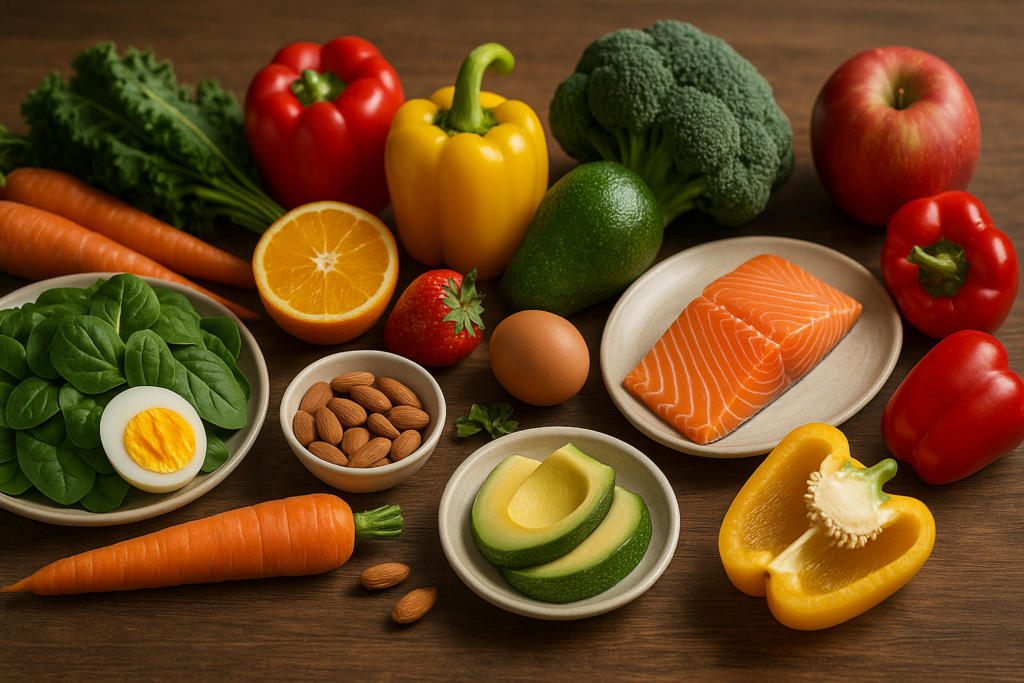
Before reaching for a drop, syrup or pill, look at the dinner plate! Folate-rich foods are the safest and most effective way to nourish your child. Always search for a high end natural source of folic acid for kids.
Download my Folate-Rich Grocery Checklist!”
Download the attached PDF to have a complete knowledge about diet rich in folic acid.
Leucovorin vs Folic Acid
The biggest difference is that folic acid needs to be activated inside the body through some biochemical cycles. while Leucovorin is already built and ready to use by the body once ingested. Doctors use Leucovorin as a special fast passage to help the brain and body when they need energy right away. Its usage in Cerebral folate deficiency and autism is undergoing but a deep research is needed for its efficacy in autism.
Final Thoughts for Parents
Folic acid for kids is a vital piece of the nutritional puzzle. If your child eats a varied diet with fortified grains and greens, they are likely doing great! If you are worried about deficiency or “genetic mutations,” skip the internet forums and let’s do a simpleblood test at your next visit. If folic acid in your kid gets low then you should start it.
References & Clinical Data:
[NIH Folate Fact Sheet for Health Professionals]
https://doi.org/10.1136/bmjopen-2024-084033
https://pmc.ncbi.nlm.nih.gov/articles/PMC9380836/
https://www.drugs.com/dosage/folic-acid.html
https://reference.medscape.com/drug/folvite-folic-acid-344419
FAQ’s
What is the correct folic acid dose for a 5-year-old kid?
The 2026 RDA is 200mcg daily
What is the difference between Folic Acid and Folinic Acid (Leucovorin) for kids?
Folic acid is the common synthetic form found in most vitamins and requires the body to use an enzyme (MTHFR) to activate it. Folinic acid (Leucovorin) is a “pre-activated” form of folate. While most children process standard folic acid perfectly well, folinic acid is often used medically for children with specific folate-receptor issues or as part of certain neurological protocols. Always consult your doctor before switching to folinic acid, as it is a more potent, metabolic form of the vitamin.
Can my child get too much folic acid from their diet?
It is almost impossible for a child to get “too much” folate from natural food sources like spinach or beans. However, since many breads and cereals are now fortified, and most children’s multivitamins contain 100% of the Daily Value, it is possible to exceed the “Tolerable Upper Intake Level” (1,000 mcg) through a combination of heavy fortification and high-dose supplements. Consistently exceeding this limit can mask a Vitamin B12 deficiency, so it is important to stick to the dosage recommended by your pediatrician.
Can folic acid help with speech delays?
While folate is critical for brain health, there is no clinical proof that extra supplements “cure” speech delays in children with normal levels.
How much should a child on Methotrexate take?
Typically, 1 mg daily is prescribed to protect the liver and bone marrow, but never on the same day they take their Methotrexate.
Is “natural” folate better than “synthetic” folic acid?
Not necessarily. Natural folate is unstable and breaks down during cooking. Synthetic folic acid is highly stable and has decades of proven safety data for preventing developmental issues.
🩺 The Doctor’s Quick-Start Checklist: Folic Acid
- Folic Acid for Kids: The Best and Safe Ways to Support Brain Health”
- Target Dose: For most children aged 4–8, aim for 200 mcg to 300 mcg daily (refer to the age-specific chart above).
- Check the Label: Look for “Folic Acid” or “Methylfolate” (the active form). Avoid exceeding the daily limit of 1,000 mcg unless directed by your pediatrician.
- Food First: Boost natural folate by serving lentils, spinach, oranges, and fortified cereals at mealtime.
- The MTHFR Rule: If your child has a known MTHFR variation, consult your doctor about using Methylfolate (5-MTHF) or Folinic Acid for better absorption.
- Timing: Folic acid can be taken with or without food, but taking it with a meal helps prevent minor stomach upset.
- Side Effects: Watch for rare signs of sensitivity, such as a mild skin rash. If noticed, pause the supplement and call your clinic.
Medical Disclaimer: The information provided on Medifitverse.com, including text, graphics, and images regarding Folic Acid and neurodevelopmental health, is for informational and educational purposes only. It is not intended to be a substitute for professional medical advice, diagnosis, or treatment. Always seek the advice of your pediatrician or other qualified health provider with any questions you may have regarding a medical condition or nutritional changes for your child. Never disregard professional medical advice or delay in seeking it because of something you have read on this website.
Pingback: The 6-Month Weaning Journey: A Pediatrician's Guide to Your Baby's First Foods